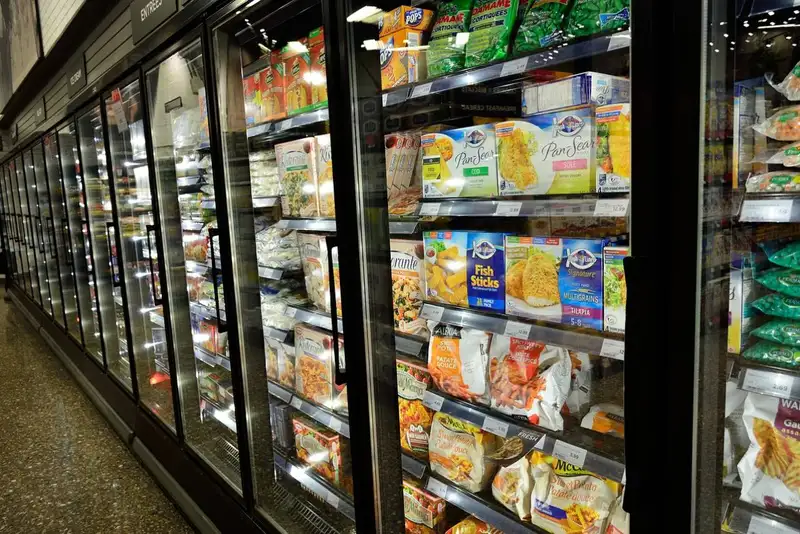
What is safe food handling temperatures ?
Food safety is something that every person must take seriously. This is because foodborne illnesses can cause harm not only to the people who ingest it, but also to those around them. As a result of this, many restaurants and retail outlets have adopted practices aimed at protecting their customers from foodborne illnesses. One of these practices is safe food handling temperatures . A safe food handling temperature is one in which pathogens such as bacteria and viruses are killed or severely inactivated. It's important that you know what these temperatures are so you can be sure your restaurant or store has been following proper procedures when handling food. Here's what you need to know about safe food handling temperatures, including which types of foods are safe at what temperatures.
Myths and Tips on Safe Food Handling Temperatures
What are safe food handling temperatures?
Did you know that there is more to those hot chicken wings you drooled over last night, than just a secret recipe? The correct storage and cooking temperature ! Temperature might seem an understatement, but it plays an important role in determining the freshness and taste of the food and keep food safe .
The slightest of carelessness in temperature control can take a toll on health. When the food is not properly stored or cooked, it can lead to growth of bacteria and pathogens. This may cause food poisoning and other foodborne illness like dysentery.
Let's start with the food temperature that should be completely avoided. That isthe danger zone! The US FDA has defined the range between 40 F to 140 degree F as temperature danger zone . If you keep foodwhether cooked food or raw, hot foods or cold food, in this temperature range, beyond a certain time, it may become unfit for consumption. The bacteria can grow at a double rate in just 20 minutes when the food is stored in the temperature danger zone.
Remember, the room temperature also comes in the danger zone, thus the food must be avoided here.
So, next time make sure you not forget to keep your home food in the refrigerator. Preserving in a refrigerator would not stop the bacteria growth, but will at least slow down its speed. And that's the reason, experts recommend to avoid eating cooked food or fruits vegetables that are stored in the refrigerator for more that 3 to 4 days.
If planning to serve hot dinner to your guests, then make sure to keep food above 140 degree F. This process is called hot handling .
Food Storage and Storage Temperatures
As per an article published by US FDA, The Federal government estimates that there are about 48 million cases of foodborne illness annually the equivalent of sickening 1 in 6 Americans each year. And each year, the foodborne illness result in an estimated 128,000 hospitalizations and 3,000 deaths.
So we cannot undermine the importance of temperature control when it comes to food.
The US FDA has listed the safe cooking temperatures and storage temperatures for different foods to ensure it is fit for consumption.
1. Poultry-
Storage temperature 40 degree F (4.4 degree C) or below, or frozen at 0 degree F (-17.7 degree C)
Minimum internal cooking temperature 165 degree F (73.8 Degree C)
2. Ground Meat -
Storage temperature- 40F (4.4C) or below, or frozen at 0F (-17.7C) or below
Minimum temperature for cooking 160F (71.1 C)
3. Beef pork veal lamb , steaks chops -
Storage temperature- 40F (4.4C) or below, or frozen at 0F (-17.7C) or below
Minimum internal temperature for cooking 145F (62.8C) allowed to rest for atleast 3 minutes
4. Fruits Vegetables can be stored at 40F (4.4C) or below, or frozen at 0F (-17.7C) or below
5. Seafood -
Storage food temperature- 40F (4.4C) or below, or frozen at 0F (-17.7C) or below
Minimum internal temperature for cooking 145F (62.8C)
6. Leftover home food / stuffing (casseroles) -
Storage food temperature- 40F (4.4C) or below, or frozen at 0F (-17.7C) or below
Minimum internal temperature for cooking 165F (73.8C)
The US FDA suggests food handler /s to use an appliance thermometer to be 100% sure the temperature is always 40F or below and the freezer temperature is consistently 0 F or below.
You don’t know how to properly handle food storage and storage temperatures.
You’re not sure if you’re handling food the right way, but you don’t want to risk ruining your food.
Myths About Safe Food Handling Temperatures
Now, let's bust some common myths regarding food temperature and temperature control .
1. You can thaw food any way at any temperature-
It's big no. Food handler should remember that the outermost part of the frozen chicken turkey meat poultry seafood or any cold food gets thawed fast that the inside. This can prompt bacterial growth on the outside despite inside being still frozen. And if bacteria like staphylococcus attack the food, it can cause serious foodborne illness .
Therefore, food must be thawed safely. It's best to thaw frozen cold food in refrigerator itself as it keeps food in required temperature range.
2. Refrigeration stops bacterial growth-
This is the biggest believed myth. The US FDA suggests to refrigerate food at minimum temperature -- 41 F or below. Refrigerating food slows down the speed of bacterial growth, but doesn't stop it.
3. You can leave marinated food at the kitchen station
Irrespective of how acidic you marinate is, do not leave marinated chicken turkey or cheese outside at room temperature. Room temperature is a temperature danger zone , i.e bacteria grows at double rate when food is stored here. Therefore, always keep food including the marinated ones, in the refrigerator.
4. You can cool hot food at any temperature-
Not many people are aware that hot food cannot be kept to cool down however you want. That's because when you keep food to cool, its passes through the temperature danger zone temperature-- 41F to 135Fwhich provides favorable circumstance for bacterial growth. Food held above 135F or cooled at 41F is safe for consumption.
Tips on Safe Food Handling Temperatures
The United States FDA department health has shared some tips on temperature control to promote Food Safety
1. It is tricky to check temperature of food from its color or texture, even for the highly experienced restaurant chefs. It's better to use a food thermometer or Grill Thermometer when cooking beef pork chicken turkey etc in a microwave oven or griller.
2. Freeze meat poultry seafood and other perishable items within two hours of cooking.
3. For quick cooling in refrigerator, divide food into separate containers.
4. When reheating food like soup and sauces , make sure to bring them to a boil.
For more, read Food Safe , Hazard Analysis , Food Food
Cleaning Your Kitchen Appliances
- One of the easiest ways to keep foodborne illness at bay is-- regularly cleaning kitchen appliances.
- Apart from dishes, make sure you clean food thermometer , microwave oven. Repetitive use without cleaning can be unhygienic and cross-contaminate your food
- The containers used for freezing raw meat poultry seafood in cold storages too must be timely washed.
- For waffle-makers and grillers with removable plates, use soapy water for cleaning.
- Regular cleaning and washing kitchen appliances can help you avoid bacteria like Listeria, E. coli, and even mold.
Handling food properly is important for food safety.
There are many myths about how to properly store and handle food.
How to Build Engaging Customer Loyalty Programs for Restaurants
How to Track Time Accurately for Hourly Restaurant Staff
Are You Following US Labor Laws in Your Restaurant?
How to Design High End Restaurant Loyalty Programs
The Essential Steps Involved in Sales Forecasting for Restaurants
The 6 Types of Inventory Management Reports for Restaurants
Essential CCP Food Handling Procedures Every Restaurant Must Follow
The Complete Guide to Efficient Employee Scheduling for Restaurants
The Different Methods of Sales Forecasting for Restaurants
What are the four types of inventory management for restaurants?
Daily Cash Control Checklist for Restaurant Owners
Top Inventory Management Strategies for Restaurants
Food Safety Standards Every Restaurant Owner Must Know in 2025
How to Build a Restaurant Inventory Management Process from Scratch
The Complete Guide to Restaurant Waste Management for Owners
5 Signs Your Hotel Needs to Upgrade Its Payment Processing System
The Ultimate Daily Checklist for Restaurant Owners
Are You Over-complicating Your Restaurants Payroll Process?
How Can Smart Scheduling Transform Your Restaurant's Efficiency?
What Are the Best Email Marketing Campaign Ideas for Restaurants in 2025?
How Can You Maintain Brand Consistency Across Multiple Franchise Locations?
How Can Restaurants Prevent Scheduling Conflicts and Last-Minute Absences?
What's the Most Efficient Way to Manage Tasks in a Busy Restaurant?
What Should You Look for When Interviewing Restaurant Staff?
What Is a Dram Shop Law and How Does It Affect Your Restaurant?
What Features Should Every Restaurant Ordering System Have in 2025?
What Are the Most Cost-Effective Ways to Reduce Waste in a Restaurant?
Are Your Menu Items Costing You More Than They're Worth?
How Do You Handle Overtime and Tip Credit in Restaurant Payroll?
Are You Spending Too Much Time on Payroll? Here's How to Fix it
How Can I Implement an Effective Inventory Management System in my Restaurant?
What Are the Main Inventory Costing Methods for Restaurants?
How to Optimize Order Fulfillment in Your Restaurant
How to Design an Effective Employee Training Program for Restaurants
9 Essential Workforce Management Tools Every Restaurant Needs
How to Read and Use Your Restaurants Profit and Loss Statement
How to Organize Your Restaurant's Financial Records Efficiently
Restaurant Billing 101 - Simplify Your Finances and Boost Efficiency
The Ultimate Guide to Accounts Payable Automation for Restaurant Owners
Benefits of Accounts Receivable Automation for Restaurants
Restaurant Bookkeeping 101 - A Beginner's Guide for Restaurant Owners
Invoice Management 101 - A Simple Guide for Restaurant Owners
What Are Par Levels and Why Every Restaurant Owner Should Care
5 Simple Ways to Speed Up Accounts Receivables Collections in Your Restaurant
Which Inventory Method is Best for Your Restaurant?
Setting Up an Employee Loan Program in Your Restaurant
The Ultimate Employee Onboarding Checklist for Restaurant Owners
Top 7 Payroll Mistakes Restaurant Owners Should Avoid
How to Calculate Food Cost Variance in Your Restaurant
A Guide to Understanding Customer Behavior in Restaurants
Top 10 California Employment Laws Every Restaurant Owner Must Know
How to Create Custom Recipe Templates for Your Restaurant Kitchen
10 Smart Ways To Use Food Handling Gloves To Ensure Kitchen Safety
What to Look for When Selecting a Bluetooth Wireless Meat Thermometer
Essential Food Safety Regulations Every Restaurant Must Follow in 2025
5 Practical Strategies to Cut Food Waste in Your Restaurant
Understanding Restaurant Food Cost Percentage in 2025 - Strategies for Profitability
Top 7 Food Safety Organizations You Need to Know About in 2025
The Restaurant Owner's Guide to Streamlining Supply Chain Processes
How to Efficiently Calculate and Manage Labor Cost in Restaurants
Key Elements of a Successful Restaurant Scheduling System
How to Reduce Labor Costs in Your Restaurant Without Sacrificing Service
5 Best Practices for Food Inventory Management to Reduce Waste
Understanding California Overtime Laws for Restaurants
Top Features to Look for in an Electronic Time Clock for Restaurants
The Best Employee Rewards Programs for Restaurants
How a Restaurant Scheduling App Helps You Avoid Common Scheduling Mistakes
Features to Look for in a Clock-In Machine for Restaurants
How to Improve Time and Attendance Tracking in Your Restaurant
How California Work Week Laws Affect Restaurant Scheduling
Best Practices for Calculating Payroll Hours in Restaurants
How Technology Can Improve Employee Management in Restaurants
California Employment Laws Every Hotel Owner Should Know in 2025
California's Updated Overtime and Break Laws for Restaurants
10 Essential Work Schedules for Running a Smooth Restaurant Operation
How to Accurately Calculate Work Hours for Your Restaurant Staff
Best Practices for Managing Employee Time and Attendance in Restaurants
How to Create an Efficient Restaurant Weekly Schedule That Boosts Productivity
Top 5 Benefits of Automating Your Business Workflows
The Power of API Integrations - Connecting Your Business Tools Seamlessly
The Importance of Seamless Integrations in Today's Business Landscape
How Workflow Automation Can Save Small Businesses Thousands of Dollars
How Any Connector Simplifies API Integrations for Your Business
Empowering Your Employees with Automation- A Win-Win Strategy
Building a Business Case for Automation in Your Organization
Automation in Hospitality - Streamlining Guest Experiences
5 Ways Restaurants Can Leverage Automation for Operational Success
The Ultimate Guide to Accurate Inventory Counting in Restaurants
How to Effectively Reduce Expenses and Increase Staff Engagement in Your Restaurant
How to make sure you will always meet labor goals before you run payroll
How to reduce labor costs without retraining your management team.
How to clone a proven employee scheduling system your managers will love without hiring expensive consultants.
3 top reasons your managers should always earn their bonuses
How to guarantee your franchise technology rollout will be a success
How to reduce labor costs by 3-5% without ever using an excel spreadsheet again
Why your IT team has to provide better mobile apps for you to stay competitive
How to streamline your business operations test for maximum efficiency
How to make sure your technology projects are on time and on budget
Why employee engagement and retention are the keys to improving profitability
The easy way to write great employee schedules
How to manage your restaurant inventory planning to ensure you're never caught short
5 Basic Inventory Management Tips That Can Save You Money
Top 3 Reasons Why You Need Cloud-Based Inventory Management Software
The Best Food Service Management Companies in the Industry
7 Tips for Choosing the Best Restaurant Directory Software
Top 11 Types of Food Safety Labels- Know the Difference to Protect Yourself
10 Inventory Management Stock Control Tips For Your Business
The Benefits of HR Software Reporting For Professionals
5 Top HR Software Solutions To Consider For Your Business
Tips for Retaining Hourly Restaurant Employees
Hurdles That Keep Restaurant Chains From Becoming The Employer Of Choice
Why You Should Start Using Restaurant Payroll Software
How To Make The Most Out Of Your Simple Inventory Management Software
Food Waste Management- 6 Strategies to Reduce the Impact of Food Waste
The Average Restaurant Food Cost Percentage & What You Can Do About It
Inventory Management Best Practices- A Guide to Controlling Your Inventory
How to Choose the Right Restaurant Dashboard Software for Your Needs
Five Ways That Food And Safety Come Together For Great Benefits
5 Free Inventory Management Tools for Small Businesses
3 Ways You Can Get Your Employees to Love Cloud-based HR and Payroll Software
5 Ways to Improve Your Multi Channel Inventory Management
5 Tips for Food Safety and Sanitation- What You Need to Know
What You Need to Know About Food Safety Issues and How To Prevent Them
The Best Restaurant Point of Sale Software for Your Business
The Best Restaurant Loyalty Programs- Which One Is Right for You?
9 Loyalty Program Ideas for Restaurants That Will Make Your Customers Come Back
The Best Inventory Management Software- The Ultimate Guide
Top 5 Best Bluetooth Meat Thermometers- Powering Up Grilling and Smoking
The Best Free Employee Scheduling Apps to Help Your Business Run Smoothly
Food Safety Temperature Chart- Safe Temperatures for Cooking and Storing Food?
Danger Zone Food Safety and How to Keep Your Food From Spoilage
5 Tips for Choosing the Best Kitchen Equipment Supplier
Mobile Device Inventory Management- A Guide to Help You Do It Right
Food Safety Rules You Should Always Follow to Keep Your Family Safe
4 Steps to Food Safety - How to Stay Safe and Avoid Food Poisoning
What To Eat? The FDA Food Safety Reforms You Need To Know About
Top Free Inventory Management Software for Small Businesses
4 Types of Inventory Management Systems and How They Affect Your Business
HR Recruitment Software- Why Restaurant Chains Fail To Become Preferred Choice
Food Waste Management Solutions- The Ultimate Guide to Eliminating Food Waste
HR Software Solutions- Tips For Retaining Hourly Restaurant Employees
How Restaurant Food Suppliers Are Important To A Business
What Are The Best Restaurant Paper Goods Suppliers?
The Ultimate Guide to Inventory Management Techniques
5 Questions to Ask Yourself Before Hiring a Food Service Management Company
Ordering Management System- Issues Faced by Multi-Chain Restaurants In 2022
The Food Safety System Management- How To Optimize Your Process
The Best Employee Time Clock Machines for Your Business
The Top 5 Reasons to Switch to Cloud Based HR Software
Our Top 5 Best Employee Scheduling Apps For Small Businesses
Food Manual Handling- What You Need to Know and Why It Matters
Best POS System For Restaurant- What To Look Out For and Things To Consider
8 Tips for Successful Financial Management In Food Service
5 Tips for Improving Your Data Integration Software
America's Fastest Growing Restaurant Chains That You Probably Haven't Heard Of
The Best Employee Shift Planning Manager | Employee Scheduling & Shift Planning
Free Employee Time Clock to Give Your Business a Competitive Edge
HR Timesheet Software- What To Look For and How It Works
Tracking Time Effectively- The Best HR Time Tracking Software
Supply And Demand Management- The Best Ways To Manage Your Supply Chain.
Employee Data Technology- How This Trend is Transforming Your Organization.